Why "Sells & Installs" Matters More Than It Sounds
RDC Renovation & Design Concepts is a flooring contractor in Phoenix, Arizona. When one company sells the plank and another installs it, a problem can turn into a dispute between the two. RDC avoids that: the same company that helps you pick the plank measures your space, tests the subfloor, and manages the installation.
That means one estimate, one schedule and one point of contact. RDC's 1-year workmanship warranty covers the installation, on top of the manufacturer's material warranty.
If you've researched this before reaching us, you've probably seen advice to ask any flooring contractor who is accountable for the installation. With RDC, you choose the material at our Bell Road showroom. RDC manages the installation under one contract, with one company answerable for it.
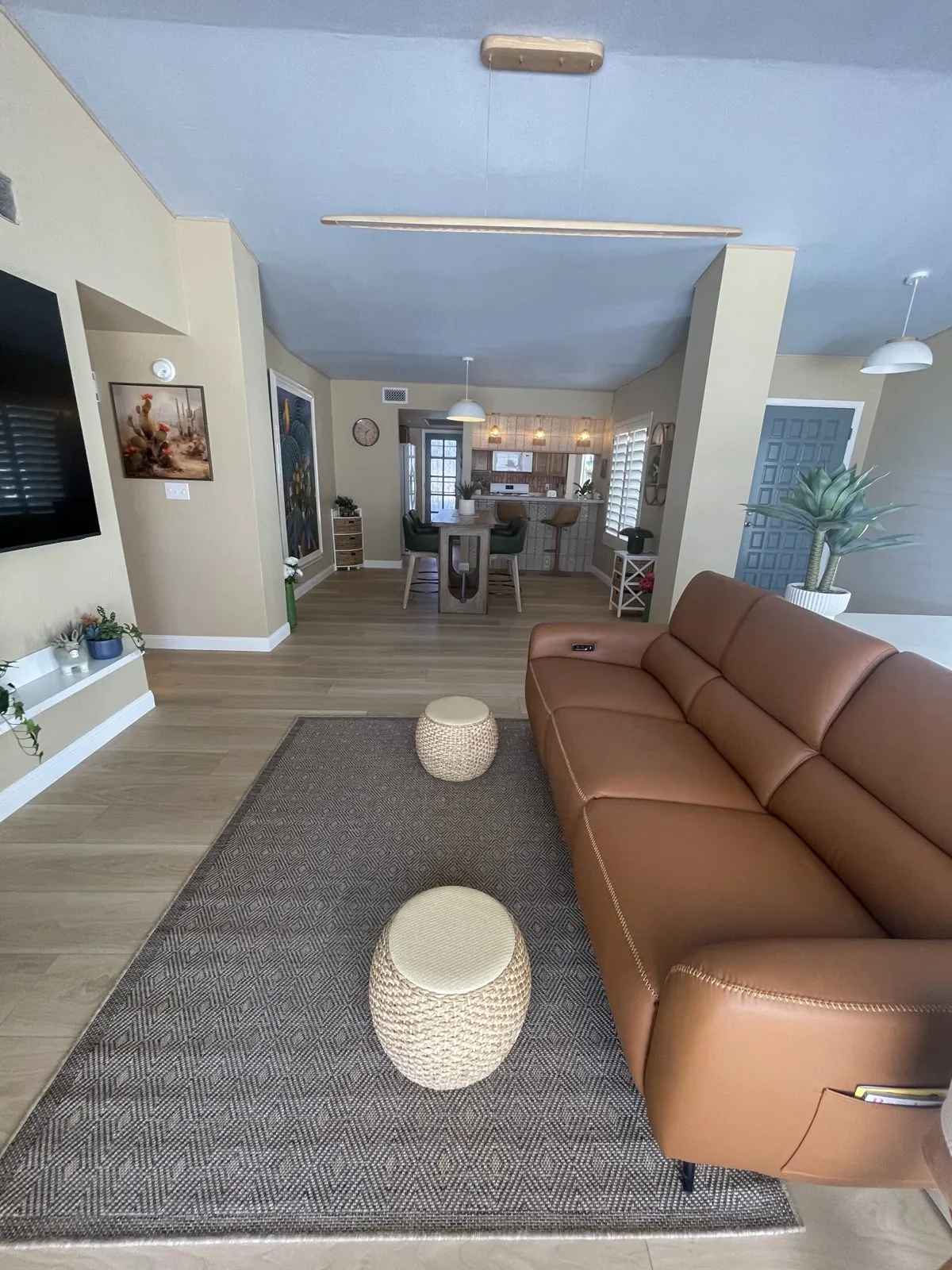
Open-concept LVP flowing through the living, dining and kitchen areas of a Phoenix home.
Who Actually Sells and Installs? A Straight Comparison
RDC does both. You choose the plank in our Bell Road showroom and we manage the installation with the same licensed installers we work with on every job. That means one estimate, one schedule, one workmanship warranty, and one company answerable for the result.
That matters because a retailer that only sells the plank hands installation to a third party. That isn't a scandal, it's simply a different business model, but it changes who is responsible when something goes wrong. Here is what each option actually is:
| Type of provider | Sells the LVP | Installs it | What that means for you |
|---|---|---|---|
| Local showroom contractor (RDC and similar) | Yes | Yes, RDC-managed | One company, one estimate, one schedule, one workmanship warranty, with full-size samples you can compare in person. |
| Big-box home centers (national chains) | Yes | Through the store's installer network | The store sells the plank and books an independent installer; ask who holds the installation contract and warranty before you sign. |
| Warehouse flooring retailers (national warehouse chains) | Yes | Referred independents | Large selection, but installation is arranged with a separate contractor who bills and warranties separately. |
| Specialty flooring retailers (national specialty chains) | Yes | Connected installers | Staff who know the product well; the install relationship is still yours to manage with a third party. |
| Wholesale showrooms (trade-only suppliers) | Yes, trade-oriented | Referral network | Trade pricing, but you generally arrive with an installer or get matched to one. |
| In-home sellers (shop-at-home companies) | Yes | Yes | Genuinely single-source and fast, though you choose from samples brought to your door rather than a showroom floor. |
| Manufacturer "find a pro" locators | No | Certified installers | Useful for protecting a specific brand's warranty, but you still buy the material somewhere else. |
| Independent installers | No | Yes | Often excellent craftsmanship, but you source and purchase all material yourself. |
If accountability is why you want a contractor that does both, two rows deliver it: the local showroom contractor and the in-home seller. Only the first lets you stand in a showroom comparing planks side by side before you decide.
What Actually Happens When the Roles Are Split
The split model works fine right up until something needs fixing. Then the practical questions start. Is the gap opening between planks a material defect or an installation error? Is the cupping along one wall a moisture problem in the slab, which the installer was supposed to test for, or a product issue the manufacturer covers?
When one company sold the floor and a different company installed it, answering that becomes a negotiation between two businesses who each have a reason to point at the other. When one company did both, there is nobody to point at. That is the entire practical value behind "sells and installs," and it matters more than it sounds once a whole-home floor is involved.
- One estimate, so material and labor aren't quoted against different assumptions about the subfloor.
- One schedule, so delivery and installation aren't coordinated across two companies' calendars.
- One workmanship warranty, held by the same company that selected and supplied the product.
- One point of contact if anything needs revisiting months after the job.
How Does the Installation Protect Your LVP Material Warranty?
Here is the part worth knowing before you need it: LVP manufacturer warranties are conditional on the floor being installed to the manufacturer's written specification. Skipped moisture testing, the wrong underlayment, an insufficient expansion gap, or an out-of-tolerance subfloor can each give a manufacturer grounds to decline a claim, no matter who paid for what.
That is why brands such as Shaw and Mohawk publish installer locators in the first place. Whoever you hire, the questions are the same: will you moisture-test the slab and document the result, will you install to the manufacturer's specification for this exact product, and will you put both the workmanship warranty and the material warranty in writing? RDC tests slab moisture following ASTM guidelines on every job and installs to the manufacturer's specification for the brand you choose, specifically so the material warranty stays intact.
The moisture test and leveling are explained step by step on the slab moisture testing guide, and LVP whole-house prices are on the flooring installation cost page.
What to Ask Before You Hire a Luxury Vinyl Plank Contractor
These are the questions worth asking any flooring contractor, and how RDC answers each one:
Which brands & wear layers?
25+ flooring, tile and countertop brands, including LVP from Mohawk, Shaw and COREtec (see the brands we carry). Wear-layer thickness is recommended by foot traffic, pets and room use, not a one-size answer. Torn between plank types? See LVP vs laminate vs LVT in Phoenix. Choosing for a pet household? See our guide to the best flooring for pets in Phoenix.
Subfloor prep & moisture testing?
Moisture testing and a flatness check are part of every estimate. Any grinding or leveling the slab needs is its own line, about $1 to $4 per sq ft.
Removal & disposal included?
Removal and disposal of the old floor are their own line on your written estimate, about $3 to $5 per sq ft. You see the full cost upfront, never as a surprise later.
Labor warranty vs. manufacturer's?
Every installation includes a 1-year RDC workmanship warranty on top of whatever warranty the LVP manufacturer provides on the material itself.
Click-Lock vs. Glue-Down Luxury Vinyl Plank: Which Fits Your Home?
Both are legitimate installation methods, and the right one depends on your subfloor and how the room is used, not personal preference alone:
| Method | Best For | Notes | Typical Cost Installed |
|---|---|---|---|
| Click-lock (floating) | Most rooms, faster installs, easy spot-repair | Installs over a compliant underlayment; individual planks can be replaced without redoing the floor | $5–$9 / sq. ft. |
| Glue-down | Large open-concept areas, commercial spaces, uneven subfloors | More rigid, quieter underfoot, works well when the subfloor has minor variation | $4–$8 / sq. ft. |
Please note: these are typical ranges and can vary. Final pricing is set individually for each customer based on your specific project, materials, and scope, confirmed in your free written estimate.
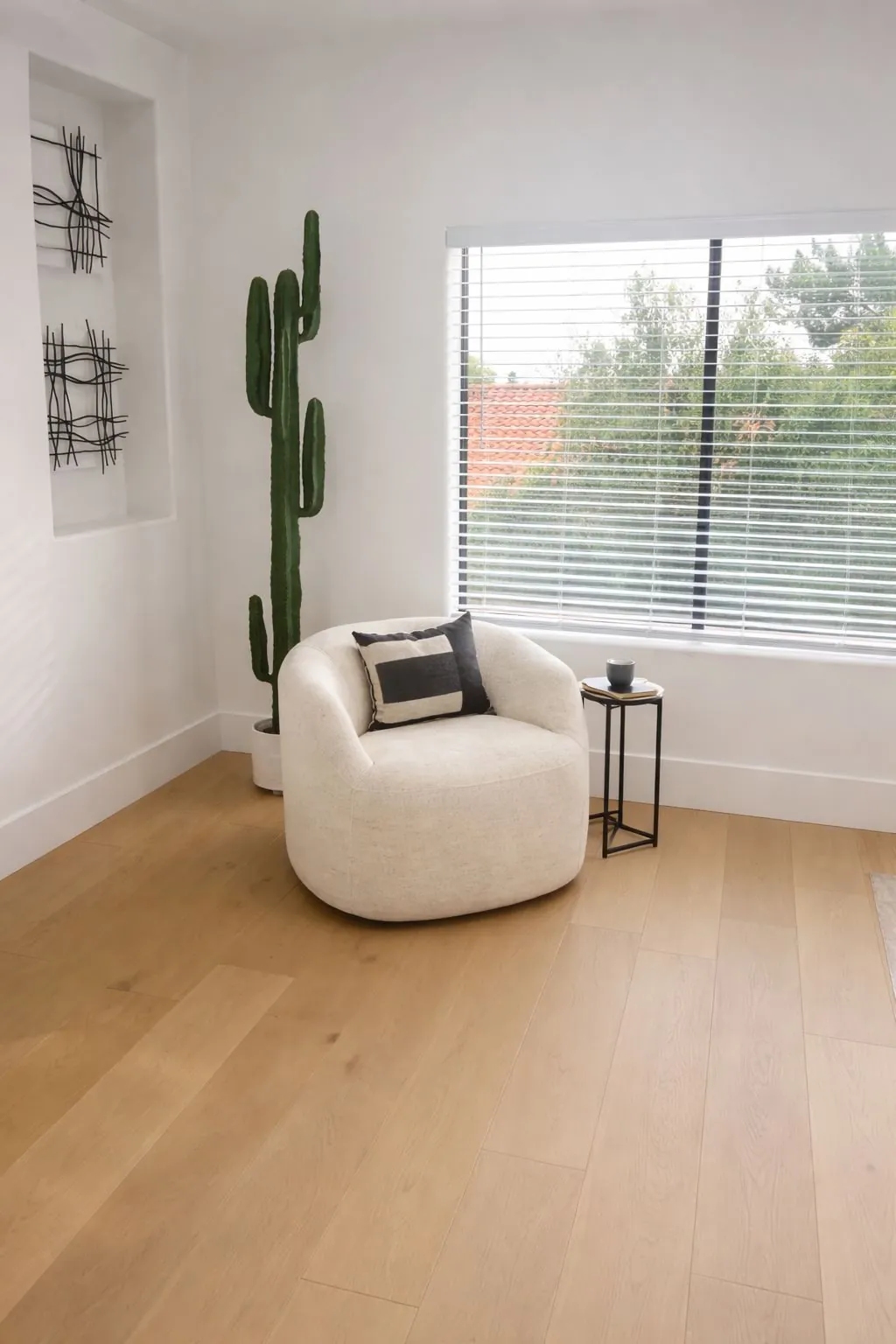
White oak-look LVP in a Scottsdale living room; compare wood and stone looks side by side at the showroom.
Luxury Vinyl Plank Installation Across Phoenix and the West Valley
LVP suits the Arizona climate when the plank and the installation are planned for it. LVP makers publish heat and sun rules in their installation instructions.
Mohawk's SolidTech instructions call for a 1/4 inch expansion space, widened to 5/8 inch where temperatures exceed 85°F. Shaw recommends drapes or blinds where direct sun hits the floor. Rigid-core plank that its manufacturer sells as waterproof suits kitchens, bathrooms and laundry rooms. Both sources are linked on how much LVP flooring costs in Arizona.
RDC handles waterproof vinyl plank flooring installation across Phoenix and the West Valley, including Peoria, Surprise, Sun City, Sun City West and Glendale. The material is the same everywhere; what changes is the slab. Census estimates put Glendale's median home at 1986, with 67% built from 1970 to 1999, and Peoria's at 1999 (ACS 2020-2024). So a moisture test and a flatness check come before any plank is opened.
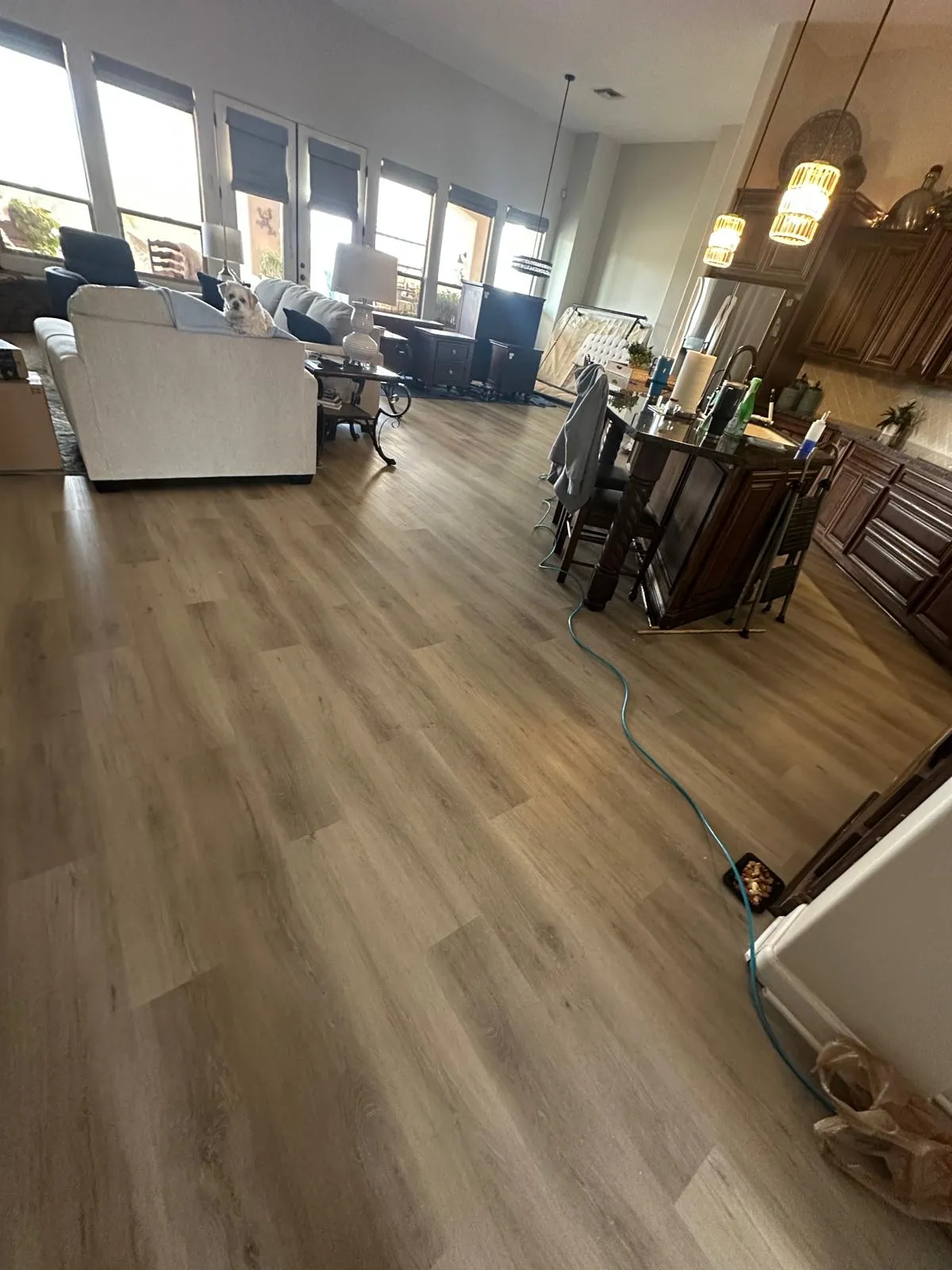
Wood-look LVP across an open living area and kitchen in a Peoria home.
Cost & Timeline
LVP installation at RDC runs $4–$9 per square foot installed, depending on plank size, wear-layer thickness, and how much subfloor prep the space needs. Every RDC estimate is written and itemized before any work starts, with no obligation to move forward. Most single rooms or open-concept living areas are completed in a single day once the subfloor is prepped; whole-home projects typically take a few days depending on square footage and how much old flooring has to come out first.
For whole-house LVP totals by plank tier, and what removal and leveling add, see how much does LVP flooring cost in Arizona.
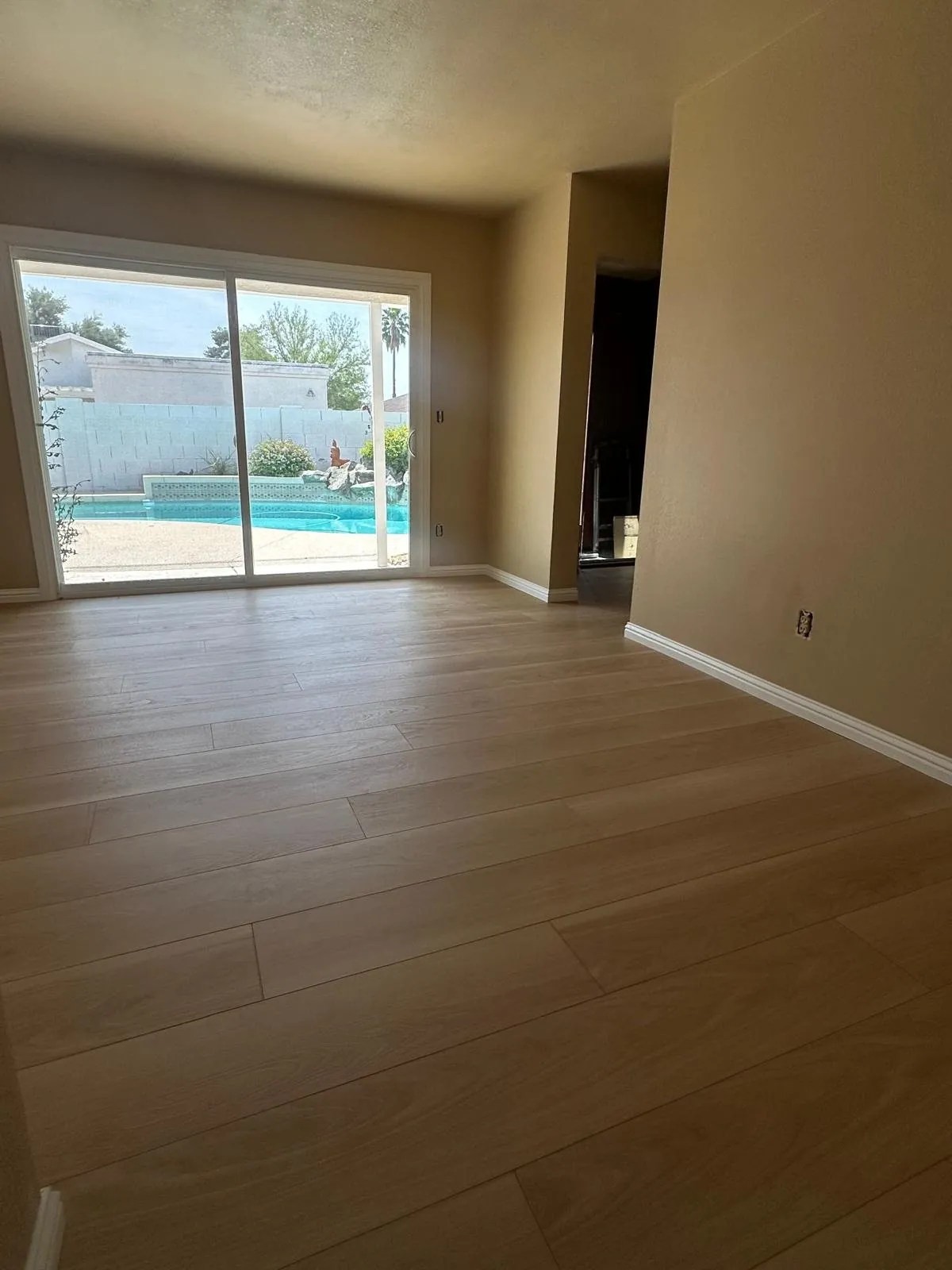
Light wood-look LVP in a room that opens onto a backyard pool.
We Also Handle Commercial LVP
RDC also supplies and installs commercial LVP. Commercial jobs include a Trust Auto dealership in Mesa, a Phoenix clinic and the Phoenix and Scottsdale locations of a Valley senior-living operator.
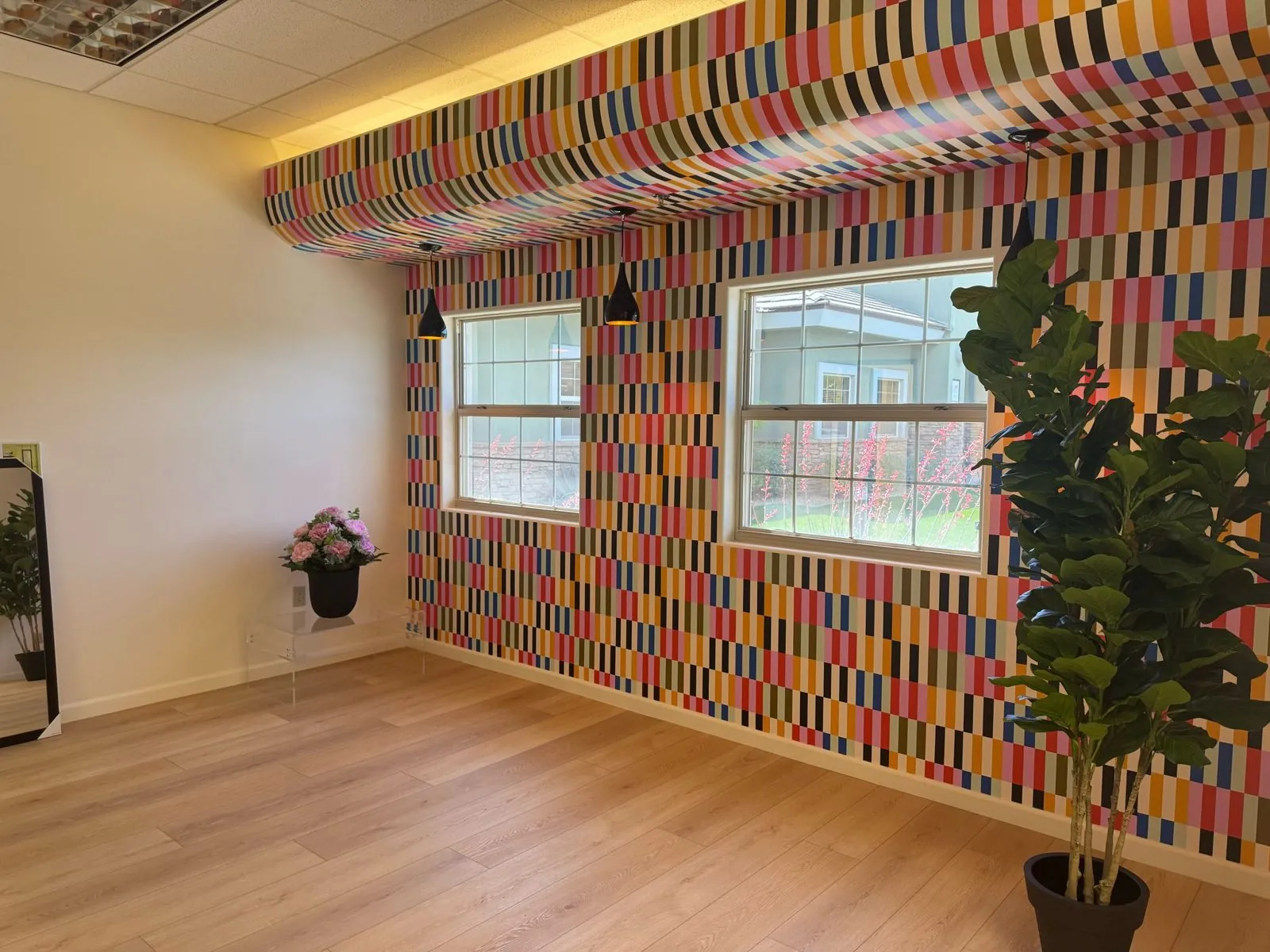
Commercial LVP installed by RDC in a Phoenix clinic.
Visit the Showroom
Compare LVP samples in person at our Phoenix flooring showroom, 1610 E Bell Rd Suite 101. From there we schedule a free in-home visit to measure the space and test the subfloor, and you leave with a written, itemized estimate. RDC is fully insured, and the same company that meets you in the showroom manages the installation.
Explore more of our flooring work in the project gallery, see all the materials we install on the flooring page, or check out financing options if you'd rather spread the cost over time. Replacing old tile with LVP? See how tile removal and replacement works. Need commercial-grade LVT for a business? See our commercial flooring contractor services.